Turning good surgeons into great ones
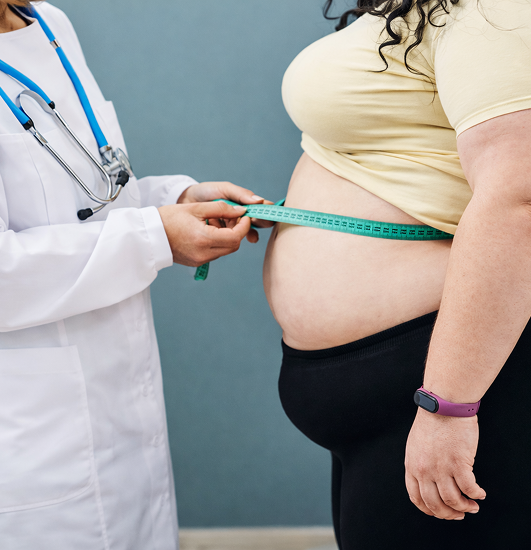
Non-surgical weight loss procedures include endoscopic options like gastric balloons (e.g., Orbera) and endoscopic sleeve gastroplasty (ESG), which reduce stomach capacity along with medications such as GLP-1 receptor agonists and GIP.
These methods are ideal for individuals with a BMI between 30–40 and offer reduced risk, minimal downtime, and effective long-term weight management.

Intragastric Balloon: A soft balloon is inserted via endoscope and filled with saline to create fullness. It typically remains for six months.
Endoscopic Sleeve Gastroplasty (ESG): Sutures are placed in the stomach to reduce its size by up to 70%, limiting food intake.
Weight Loss Medications: FDA-approved medications such as semaglutide and tirzepatide help suppress appetite and increase fullness.
Lifestyle & Behavior Modification: Diet, exercise, and behavioral counseling programs ensure sustainable long-term results.
Minimal Downtime: No or very small incisions allow faster recovery.
Safety: Lower risk compared to traditional surgical procedures.
Effectiveness: Works best when combined with permanent lifestyle changes.
Note: These treatments are generally intended for individuals with BMI between 30–40 or lower in specific medical conditions.
ME Surgery ©2025 | All rights reserved
 +91 7599690560
 +91 7500757444
 www.mesurgery.com