Turning good surgeons into great ones

What is weight loss surgery?

Weight loss surgery, also known as bariatric surgery, is a medical procedure performed to help individuals lose weight by altering the digestive system. These surgeries are typically considered for people with severe obesity who have not been successful in losing weight through diet, medication and exercise alone. The primary goal of weight loss surgery is to reduce the size of the stomach or restrict the amount of food the stomach can hold, leading to reduced food intake and, consequently, weight loss.

Types of weight loss surgeries

cehck

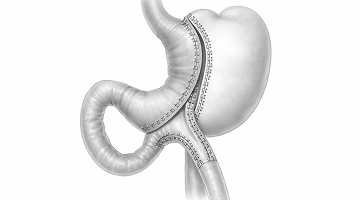
Gastric Bypass: This procedure involves creating a small pouch at the top of the stomach and connecting it directly to the small intestine. This bypasses a portion of the stomach and small intestine, limiting the amount of food absorbed and reducing calorie intake. It also gives rise to profound hormonal changes that are responsible for sustained weight loss results after this procedure.

cehck

Mini Gastric Bypass: This procedure involves creating a large pouch of the stomach and connecting it directly to the small intestine. This bypasses a portion of the stomach and small intestine, limiting the amount of food absorbed and reducing calorie intake. It also gives rise to hormonal changes that can cure diabetes permanently in a majority of cases.

cehck

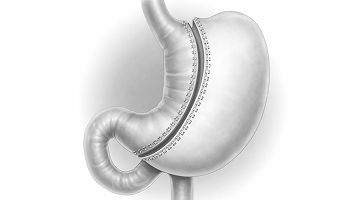
Sleeve Gastrectomy: In this surgery, a large part of the stomach is removed, leaving a banana-shaped or sleeve-like structure. The reduced stomach size limits the amount of food that can be consumed, leading to weight loss.

cehck

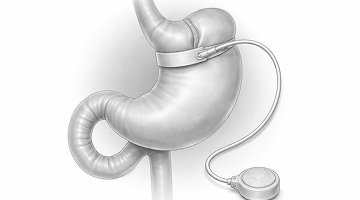
Gastric Banding: This involves placing an inflatable band around the upper part of the stomach, creating a smaller pouch. The band can be adjusted to control the size of the opening between the two parts of the stomach, regulating the amount of food that can enter.
about

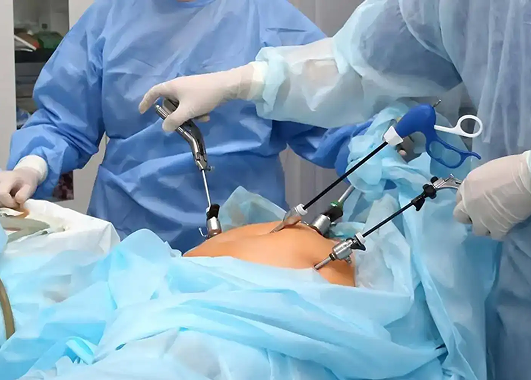
Overall, Dr. Magan Mehrotra's background reflects a strong foundation in medical education, with a specific focus on minimal access surgery. His completion of a specialized two-year fellowship and his association with reputable institutions in Delhi contribute to his standing as a consultant with advanced skills and knowledge in the field. Patients seeking minimal access surgical procedures may benefit from the expertise and experience he brings to the healthcare landscape.

Why Choose Us?

20 + years experience

Specialized Team

10000+ Happy Patients

Diet Support

Lifelong Follow up

Cashless Mediclaim

Type of Weightloss of Surgery

service

Laparoscopic Sleeve Gastrectomy

Know More
service

Laparoscopic Roux en Y Gastric Bypass Surgery

Know More
service

Laparoscopic Gastric Banding

Know More

FAQs

The pain after a routine bariatric Bariatric surgery is a weight loss procedure recommended for people struggling with severe obesity and related health problems like diabetes, obesity , sleep apnea, high blood pressure. The surgery helps in weight loss by reducing the stomach’s capacity, controlling food intake, and influencing hormones responsible for hunger, fullness, and metabolism.

Bariatric surgery is suggested to patients if diets, exercise, and other weight loss methods have failed to show sustainable weight loss.

Weight re-gain after bariatric surgery The decision for bariatric surgery is not based only on your weight. During consultation, we evaluate your BMI, BFA (Body Fat Analysis) ,medical conditions, previous weight loss attempts, eating patterns, and overall health.

Generally, patients with BMI above 30 along with conditions like diabetes, high blood pressure, sleep apnea, fatty liver, or joint problems may benefit from bariatric surgeryor those with BMI above 35

The most commonly performed bariatric procedures include:

Sleeve Gastrectomy: A part of the stomach is removed, which reduces food intake and helps control hunger.

Gastric Bypass Surgery: A smaller stomach pouch is created and the digestive pathway is modified to support weight loss.

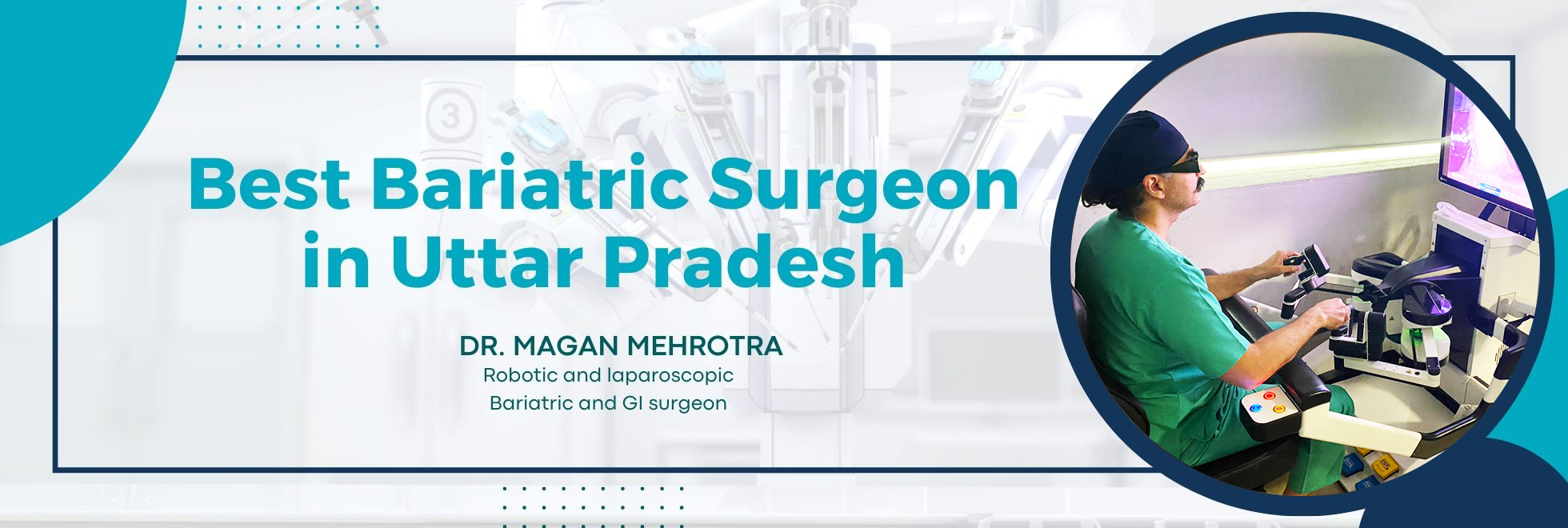
Robotic Bariatric Surgery: An advanced minimally invasive technique that allows the surgeon to perform the procedure with enhanced precision and visualization.

The right procedure depends on your health, BMI, and weight loss goals.

Robotic bariatric surgery is an advanced form of minimally invasive surgery where the surgeon uses a robotic system to perform the procedure.

The technology provides magnified 3D vision, improved instrument movement, and better precision, which can be helpful in selected bariatric procedures.

Both robotic and laparoscopic bariatric surgeries are safe and effective when performed by an experienced surgeon.

Robotic surgery offers certain technical advantages, such as enhanced visualization and greater instrument control. However, the best surgical approach depends on the patient’s condition and the surgeon’s assessment.

Weight loss after bariatric surgery differs from person to person. Most patients experience significant weight reduction within the first year after surgery.

The final results depend on factors like the type of surgery, lifestyle habits, dietary compliance, and regular follow-up.

Bariatric surgery is a well-established treatment for severe obesity and is considered safe when performed after proper evaluation and planning.

Like any surgery, there can be risks, but careful patient selection, advanced techniques, and proper follow-up help reduce complications.

Most patients are encouraged to start walking soon after surgery. Many return to their routine activities gradually within a few weeks.

Recovery depends on the type of procedure and your overall health, and detailed post-surgery guidance is provided during follow-up.

Yes, bariatric surgery can significantly improve type 2 diabetes control in many patients.

The benefits occur due to weight loss and positive changes in metabolism and insulin sensitivity. Some patients may reduce their dependence on diabetes medicines after surgery.

Bariatric surgery provides long-term support for weight management, but maintaining results requires healthy eating habits and lifestyle changes.

Some weight fluctuation can happen, but regular follow-ups and proper guidance help patients maintain their progress.

The diet after bariatric surgery changes gradually. Initially, patients follow a liquid diet, followed by soft foods and then a balanced regular diet.

The focus is on protein intake, portion control, hydration, and maintaining essential vitamins and minerals.

Age alone does not decide whether someone can undergo bariatric surgery. A detailed health assessment is important to understand surgical fitness and expected benefits.

Selected elderly patients may benefit from weight loss surgery if obesity is affecting their quality of life.

Most patients gradually return to normal activities within a few weeks after surgery.

The timeline depends on the procedure performed and how your body responds during recovery.

Before surgery, we evaluate your overall health through medical history, blood tests, nutritional assessment, and other investigations if required.

This helps create a safe and personalized surgical plan.

Choosing the right bariatric surgeon is an important step in your weight loss journey.

Dr. Magan Mehrotra focuses on patient evaluation, minimally invasive bariatric procedures, robotic surgery options where suitable, and long-term follow-up care to help patients achieve healthier outcomes.